

Understanding Respiratory Health and Sleep Disorders
- Abe Hardoon
- 1 day ago
- 4 min read

Breathing well and sleeping soundly are two essentials for a healthy life. When either is disrupted, it can affect your energy, mood, and overall well-being. Many people face breathing problems and sleep disorders without realizing how closely these issues are connected. I want to share what I’ve learned about common breathing concerns, sleep apnea, chronic cough, asthma symptoms, and how tests like spirometry and sleep studies help manage lung health.
What You Need to Know About Respiratory Health
Respiratory health means how well your lungs and airways work to bring oxygen into your body and remove carbon dioxide. When your respiratory system is healthy, you breathe easily and feel energized. But problems like asthma, chronic cough, or shortness of breath can signal trouble.
Common Breathing Problems
Breathing problems can show up in many ways. You might notice:
Wheezing or noisy breathing
Persistent cough that lasts weeks
Feeling short of breath during simple activities
Chest tightness or discomfort
These symptoms can come from asthma, infections, allergies, or other lung conditions. If you experience any of these, it’s important to get a respiratory evaluation to find the cause.
Asthma Symptoms and Management
Asthma is a chronic condition where your airways become inflamed and narrow, making it hard to breathe. Symptoms include wheezing, coughing, chest tightness, and shortness of breath. Asthma management focuses on avoiding triggers and using medications to keep airways open.
Regular check-ups and lung function testing help track asthma control. Spirometry testing is a key tool here. It measures how much air you can blow out and how fast, showing how well your lungs work. This test guides doctors in adjusting your asthma treatment to keep symptoms in check.
Spirometry testing helps assess lung health and asthma control.
Sleep Disorders and Their Impact on Breathing
Sleep disorders affect millions and can seriously harm your health. One of the most common and serious is sleep apnea. It causes breathing to stop and start repeatedly during sleep, leading to poor rest and other health risks.
What Is Sleep Apnea?
Sleep apnea happens when your airway becomes blocked or your brain doesn’t send the right signals to breathe during sleep. This causes pauses in breathing that can last seconds or longer. These interruptions reduce oxygen levels and disrupt sleep cycles.
People with sleep apnea often snore loudly, wake up gasping, or feel very tired during the day. Left untreated, it can increase the risk of heart disease, stroke, and high blood pressure.
How Sleep Studies Help
A sleep study is a test that monitors your breathing, heart rate, oxygen levels, and brain activity while you sleep. It helps doctors diagnose sleep apnea and other sleep disorders. There are two main types:
In-lab sleep study: Done overnight in a sleep center with full monitoring.
Home sleep study: Done at home with portable equipment, offering convenience and comfort.
Both types provide valuable information to guide sleep apnea treatment.
Sleep Apnea Treatment Options
Treatment depends on the severity of sleep apnea. Common options include:
Continuous Positive Airway Pressure (CPAP) machines that keep airways open
Oral appliances to reposition the jaw and tongue
Lifestyle changes like weight loss and avoiding alcohol before bed
Surgery in rare cases
Early diagnosis and treatment improve sleep quality and reduce health risks.

Home sleep study offers a convenient way to evaluate sleep apnea.
How Spirometry and Lung Function Testing Support Respiratory Care
Spirometry testing is a simple, non-invasive way to check lung health. It measures how much air you can breathe out and how fast. This test helps detect conditions like asthma, chronic obstructive pulmonary disease (COPD), and other breathing problems.
Lung function testing is often part of a respiratory evaluation when you have symptoms like chronic cough or shortness of breath. It helps doctors understand how well your lungs work and guides treatment decisions.
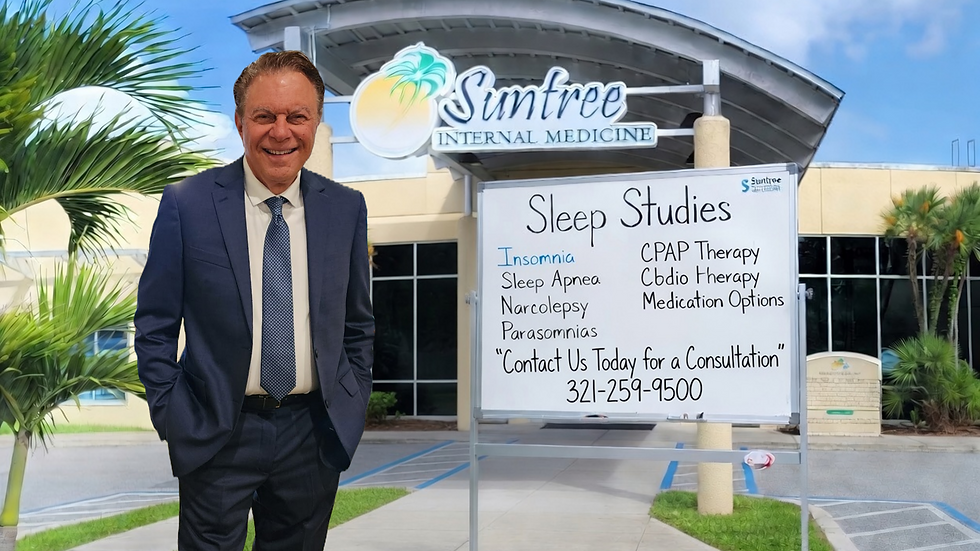
At Suntree Internal Medicine, spirometry testing is part of our comprehensive approach to respiratory health. We use it to monitor lung conditions and adjust treatments to keep you breathing easier.
Managing Chronic Cough and Shortness of Breath
A chronic cough lasting more than eight weeks needs medical attention. It can be caused by asthma, infections, acid reflux, or other lung issues. Shortness of breath during daily activities is another sign to seek evaluation.
Doctors use a combination of history, physical exams, spirometry, and sometimes imaging to find the cause. Treating the underlying problem often improves these symptoms.
Why Early Respiratory Evaluation Matters
Getting a respiratory evaluation early can prevent complications. If you notice breathing problems, asthma symptoms, or sleep issues, don’t wait. Tests like spirometry and sleep studies provide clear answers and help tailor treatments.
Early care improves lung health, reduces symptoms, and enhances your quality of life. It also helps catch serious conditions before they worsen.

Early respiratory evaluation supports better lung health and treatment outcomes.
Taking Care of Your Lung Health and Sleep
Good lung health and restful sleep go hand in hand. Here are some tips to support both:
Avoid smoking and exposure to pollutants
Manage asthma and allergies with your doctor’s help
Maintain a healthy weight and stay active
Follow your doctor’s advice on sleep apnea treatment
Get regular check-ups and lung function tests if you have symptoms
If you suspect sleep apnea or have breathing problems, consider a home sleep study or spirometry testing. These tools provide valuable insights without disrupting your daily life.
At Suntree Internal Medicine, we offer both spirometry testing and home sleep studies to make evaluation easy and accessible. Our goal is to help you breathe better and sleep well.
Breathing problems and sleep disorders can affect anyone, but with the right care, you can manage symptoms and improve your health. If you experience chronic cough, asthma symptoms, or suspect sleep apnea, getting a respiratory evaluation is a smart step. Tests like spirometry and sleep studies provide clear information to guide treatment.
Taking action early helps protect your lung health and ensures better sleep. Reach out to your healthcare provider to discuss your symptoms and explore testing options. Your lungs and sleep are worth the attention.
For more information about spirometry testing and home sleep studies, visit Suntree Internal Medicine. They provide compassionate, convenient care tailored to your needs in Brevard County.
Contact us today for a consultation at 321-259-9500


Comments